
Getting Snowed In? It’s the Perfect Time to Start Planning Your Garden!
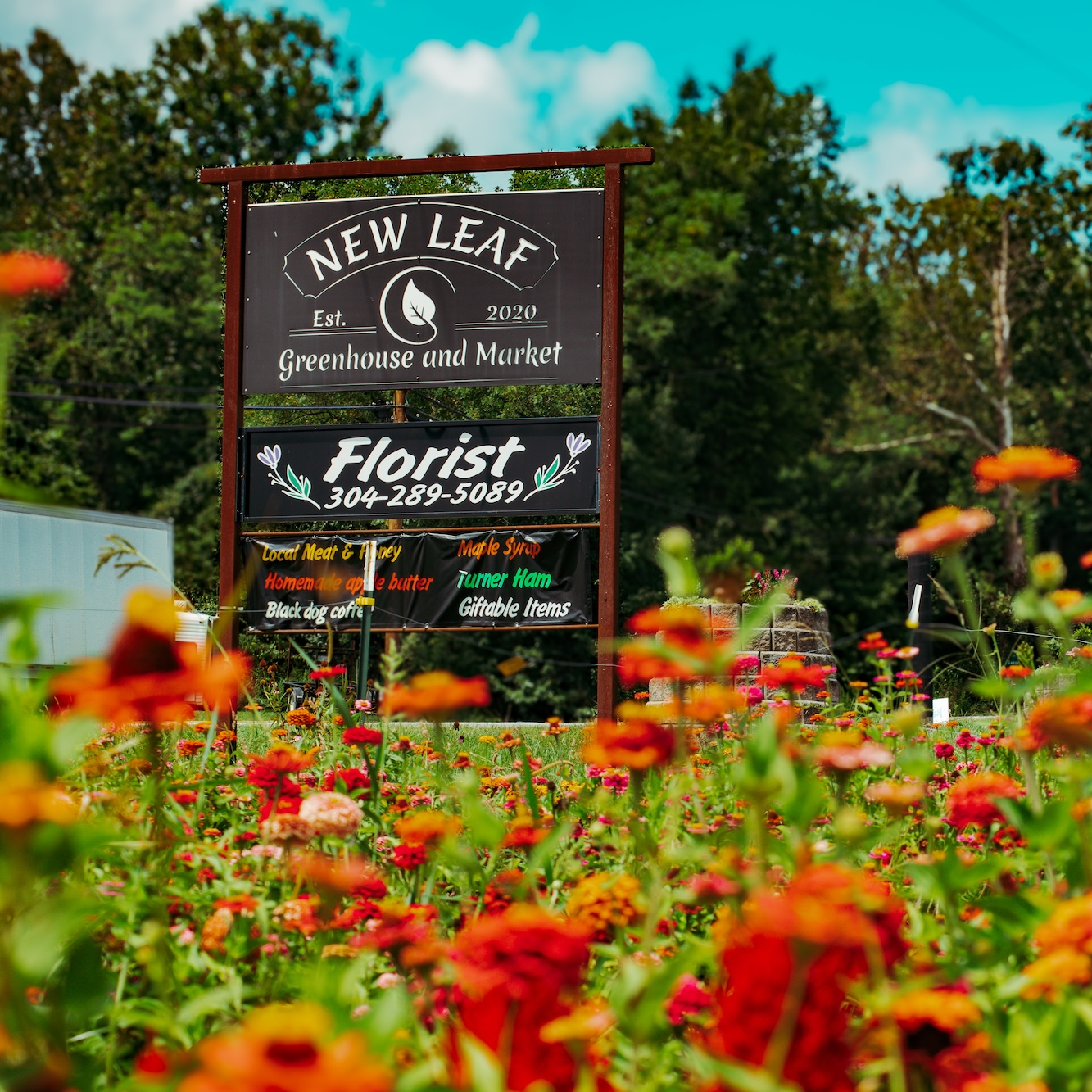

If you’re finding yourself snowed in this weekend, take advantage of the downtime and start planning your garden for the year ahead. Seed starting season is just around the corner in the Eastern Panhandle of West Virginia, and a little preparation now can make all the difference for a strong, healthy garden come spring.
We’ve just received a fresh shipment of vegetable, herb, and flower seeds at New Leaf Greenhouse & Market as we prepare for greenhouse season, and now is the perfect time to gather supplies, organize your space, and map out your planting schedule.
Step 1: Gather Your Seed-Starting Supplies
Before you sow a single seed, make sure you have:
Seed-starting trays or small pots with drainage
High-quality seed-starting mix (lighter than regular potting soil)
Plant labels or popsicle sticks
A spray bottle or gentle watering can
Grow lights or a bright south-facing window
A heat mat (optional but helpful for peppers and tomatoes)
Using sterile, lightweight seed-starting mix helps prevent disease and allows delicate roots to grow easily.
Step 2: What You Can Start Indoors Right Now (Late January–Early February)
These crops are slow growers and benefit from an early start:
Vegetables
Onions (from seed)
Leeks
Celery
Artichokes
Herbs
Parsley
Thyme
Oregano
Sage
Lavender
Sow seeds shallowly, lightly cover with soil, mist with water, and keep warm (65–75°F). Most of these take 2–3 weeks to germinate.
Step 3: What to Start in February
Vegetables
Broccoli
Cabbage
Cauliflower
Kale
Brussels Sprouts
Flowers
Snapdragons
Pansies
Petunias
Verbena
Dianthus
These cool-season plants can be transplanted outdoors earlier and tolerate spring chill.
Step 4: What to Start in March
Vegetables
Tomatoes
Peppers
Eggplant
Herbs
Basil
Cilantro
Dill
Flowers
Zinnias
Marigolds
Cosmos
Sunflowers
Warm-season crops need heat and light—grow lights are especially helpful for sturdy, non-leggy seedlings.
Step 5: Light, Water & Temperature
Light:Seedlings need 12–16 hours of bright light daily. Grow lights placed 2–3 inches above plants work best.
Water:Keep soil consistently moist, not soaked. Bottom watering helps prevent damping-off disease.
Airflow:A small fan improves stem strength and prevents fungal issues.
Temperature:Most seeds germinate best between 65–75°F. Tomatoes and peppers love warmth.
Step 6: Hardening Off Before Planting Outside
About 7–10 days before transplanting, begin “hardening off” your seedlings:
Start with 1–2 hours outside in shade
Gradually increase sun exposure and time outdoors
Bring in at night if temperatures drop
This helps prevent shock and sunburn.
Step 7: Plan Your Garden Layout
Snow days are perfect for sketching your garden:
Rotate crops from last year
Group plants with similar water and sun needs
Leave space for mature plant size
Consider succession planting for extended harvests
Need Help Choosing Seeds?
We’ve just stocked fresh vegetables, herbs, and flower seeds and would love to help you select varieties that thrive in the Eastern Panhandle climate. Whether you’re a first-time gardener or a seasoned grower, our team is happy to walk you through timing, soil prep, and variety selection.
📞 Have questions? Give us a call or stop in—we’re always here to help you grow.🌿 New Leaf Greenhouse & Market – Your local partner in every season of growing.


Comments