
Summer Heat & Your Garden: How to Keep Things Thriving in the Eastern Panhandle of WV
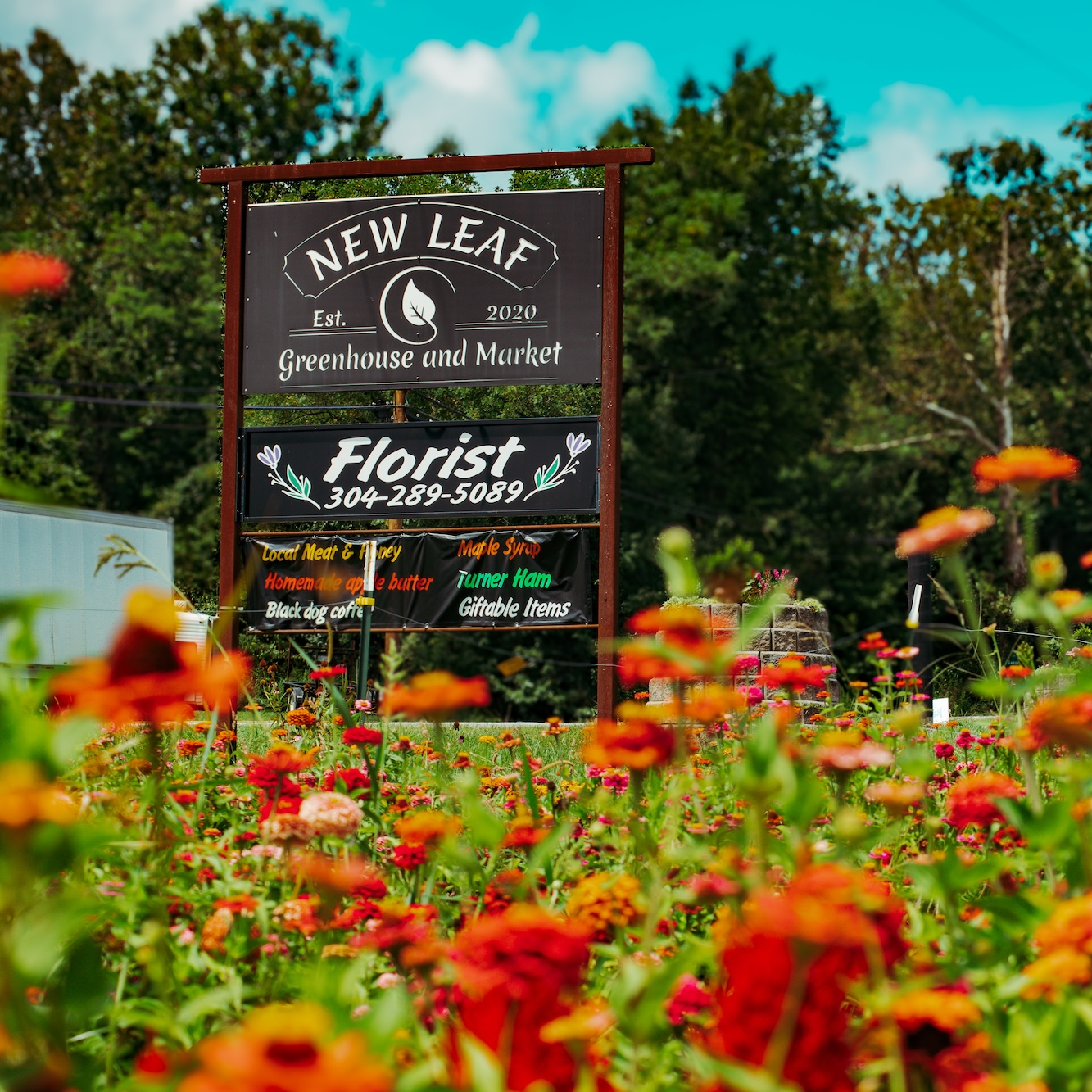

Summer in the Eastern Panhandle of West Virginia can be beautiful, but it can also be tough on your garden. Between hot afternoons, dry spells, heavy humidity, and the occasional summer storm, plants can go from thriving to stressed pretty quickly.
The good news? With a few simple adjustments, you can help your flowers, veggies, containers, and landscape plants make it through the summer heat and keep growing strong.
Water Deeply, Not Constantly
When temperatures rise, it can be tempting to water a little bit every day. But shallow watering often encourages shallow roots, which makes plants less resilient during heat waves.
Instead, aim for deep, thorough watering. This helps moisture reach the root zone where your plants need it most. Early morning is the best time to water because it gives plants a chance to absorb moisture before the hottest part of the day. Evening watering can work in a pinch, but try to avoid leaving foliage wet overnight, especially with our humid West Virginia summers.
Container gardens and hanging baskets may need water daily during extreme heat, while garden beds usually do better with a deeper soak a few times per week.
Mulch Makes a Big Difference
Mulch is one of the easiest ways to protect your garden during the summer. A good layer of mulch helps hold moisture in the soil, keeps roots cooler, reduces weeds, and prevents the soil from drying out too quickly.
Around flowers, vegetables, shrubs, and landscape plants, a few inches of mulch can make a noticeable difference. Just be sure not to pile mulch directly against plant stems or tree trunks. Leave a little breathing room around the base of each plant.
Give Container Plants Extra Attention
Potted plants, porch planters, and hanging baskets dry out faster than plants in the ground. During hot stretches, check them often by feeling the soil. If the top inch feels dry, it is probably time to water.
Move containers out of harsh afternoon sun when possible, especially if plants look wilted or scorched. Even sun-loving plants can struggle when temperatures climb and pots heat up.
Watch for Signs of Heat Stress
Plants will usually tell you when they are struggling. Common signs of heat stress include wilting, crispy leaf edges, yellowing leaves, slowed growth, and flowers fading faster than normal.
Some wilting during the hottest part of the day is normal, especially for larger-leaf plants. But if your plants are still wilted in the morning or evening, they likely need more water or relief from the heat.
Feed Carefully During Extreme Heat
Fertilizer can be helpful during the growing season, but it is best to avoid heavy feeding during intense heat waves. When plants are stressed, pushing new growth can make things harder on them.
If your plants are healthy and actively growing, a gentle fertilizer can support blooms and production. For stressed plants, focus first on consistent watering, mulch, and shade protection before feeding.
Harvest Often in the Vegetable Garden
If you are growing vegetables, summer heat can speed things up quickly. Pick ripe tomatoes, peppers, cucumbers, beans, squash, and herbs often to encourage more production.
Overripe vegetables left on the plant can slow new growth and attract pests. A quick garden walk each morning can help you stay ahead of the harvest and spot any issues early.
Add Shade Where Needed
Some plants love the sun, but even they can benefit from a little protection during extreme heat. Temporary shade cloth, patio umbrellas, or moving containers to morning sun and afternoon shade can help prevent scorching.
This is especially helpful for tender herbs, new transplants, leafy greens, and container flowers.
Keep an Eye Out for Pests and Disease
Heat and humidity can create the perfect environment for pests and plant diseases. Check the undersides of leaves, stems, and new growth for signs of trouble like aphids, mites, mildew, or leaf spots.
Catching problems early makes them much easier to manage. Good airflow, proper spacing, and watering at the base of plants instead of over the leaves can help reduce disease pressure.
Choose Heat-Tolerant Plants
One of the best ways to keep your summer garden looking great is choosing plants that can handle the season. Zinnias, lantana, salvia, marigolds, coleus, sunpatiens, ornamental grasses, herbs, and many native perennials can handle our summer conditions with the right care.
For vegetable gardens, tomatoes, peppers, okra, cucumbers, squash, basil, and beans are summer favorites that can produce well with consistent watering and attention.
Stop by New Leaf for Summer Garden Help
Every garden is different, and summer weather in the Eastern Panhandle can keep us all on our toes. Whether you are refreshing your porch planters, trying to save a struggling hanging basket, looking for heat-tolerant plants, or need advice for your vegetable garden, we are happy to help.
Stop by New Leaf Greenhouse & Market to browse garden supplies, houseplants, floral services, gifts, local products, and more. Let’s keep your garden growing beautifully all summer long.


Comments