
Late-Summer Gardening in West Virginia’s Eastern Panhandle: What to Do in August and September

As summer begins to wind down, the garden still has plenty of life left in it. August and September are important transition months for gardeners in West Virginia’s Eastern Panhandle—a time to continue caring for summer favorites while preparing flower beds, vegetable gardens, and landscapes for fall.
With a little attention now, you can enjoy fresh color and produce well into the season while also setting your garden up for a stronger start next spring.
Keep Up With Watering
Late-summer heat can dry out gardens quickly, especially during stretches with little rainfall. Continue watering deeply rather than giving plants frequent, shallow drinks. Deep watering encourages stronger root systems and helps plants handle hot afternoons more effectively.
Containers, hanging baskets, raised beds, and newly planted flowers may need to be checked more often because they tend to dry out faster than established garden beds.
Watering earlier in the day is best, giving plants time to absorb moisture before the hottest part of the afternoon while allowing foliage to dry before evening.
Keep Summer Flowers Blooming
Many annuals and summer flowers can continue blooming well into September with regular care. Remove faded blooms, trim back leggy growth, and watch for signs of pests or disease.
Deadheading encourages many flowering plants to continue producing new blooms instead of putting their energy into seed production. Zinnias and other cut flowers are especially productive when harvested regularly—which is one of the reasons we love filling bouquets with them throughout this part of the season.
Avoid heavy fertilizing late in the season. A gentle feeding may help container plants, but too much fertilizer can encourage tender new growth that may struggle as cooler weather arrives.
Plant a Fall Vegetable Garden
August is not the end of vegetable gardening. It is the beginning of another growing season for cool-weather crops.
Depending on the variety and your exact location, late summer and early fall can be a good time to plant:
Lettuce and salad greens
Spinach
Arugula
Kale
Radishes
Turnips
Carrots
Beets
Broccoli
Cabbage
Swiss chard
WVU Extension notes that lettuce can be planted throughout August, September, and even into October, while spinach can be seeded from August through October. Fall broccoli transplants may also be planted during August and September, depending on the variety.
Because days become shorter and plant growth slows as fall approaches, check the number of days to maturity listed on your seed packet. Adding approximately two weeks to that estimate can help account for slower autumn growth.
A lightweight row cover can also help protect young plants from insects and extend the harvest as temperatures begin to fall.
Refresh Tired Garden Beds
As summer vegetable plants finish producing, remove declining or diseased plant material. Do not leave heavily diseased leaves, stems, or fruit in the garden, where they may harbor pests and plant diseases.
This is also a good time to pull weeds before they go to seed, add compost to empty beds, and make notes about what was planted in each location. Keeping a simple garden record makes crop rotation easier next year and can help reduce recurring pest and disease problems.
Empty spaces can be replanted with fall crops, covered with mulch, or planted with a cover crop to protect and improve the soil.
Divide and Plant Perennials
Late August through September is often a great time to divide and transplant many established perennials. Cooler temperatures reduce stress on plants, while the soil remains warm enough for roots to begin establishing before winter.
When dividing perennials, water them well beforehand, work during a cooler part of the day, and keep the roots moist throughout the process. Newly planted or divided perennials will still need consistent watering until the ground becomes cold.
This is also a helpful time to assess your landscape. Take note of areas that need more color, texture, pollinator-friendly plants, or seasonal interest before planning next year’s garden.
Continue Supporting Pollinators
Do not be too quick to clear every fading flower from the landscape. While deadheading can encourage additional blooms, leaving some healthy seed heads later in the season can provide food and habitat for birds and beneficial insects.
Late-blooming flowers are especially valuable because they offer nectar and pollen when fewer plants are flowering. Keeping your garden blooming into fall helps support bees, butterflies, and other pollinators as they prepare for the colder months.
Plan Ahead for Spring
September is a great month to start thinking about spring-blooming bulbs, garden expansion, and changes you would like to make next year.
Take photos of your current beds and make notes about:
Empty areas that need additional plants
Flowers that performed especially well
Plants that became overcrowded
Areas that received too much or too little sunlight
Color combinations you would like to repeat
A little planning now can save time and guesswork when planting season returns.
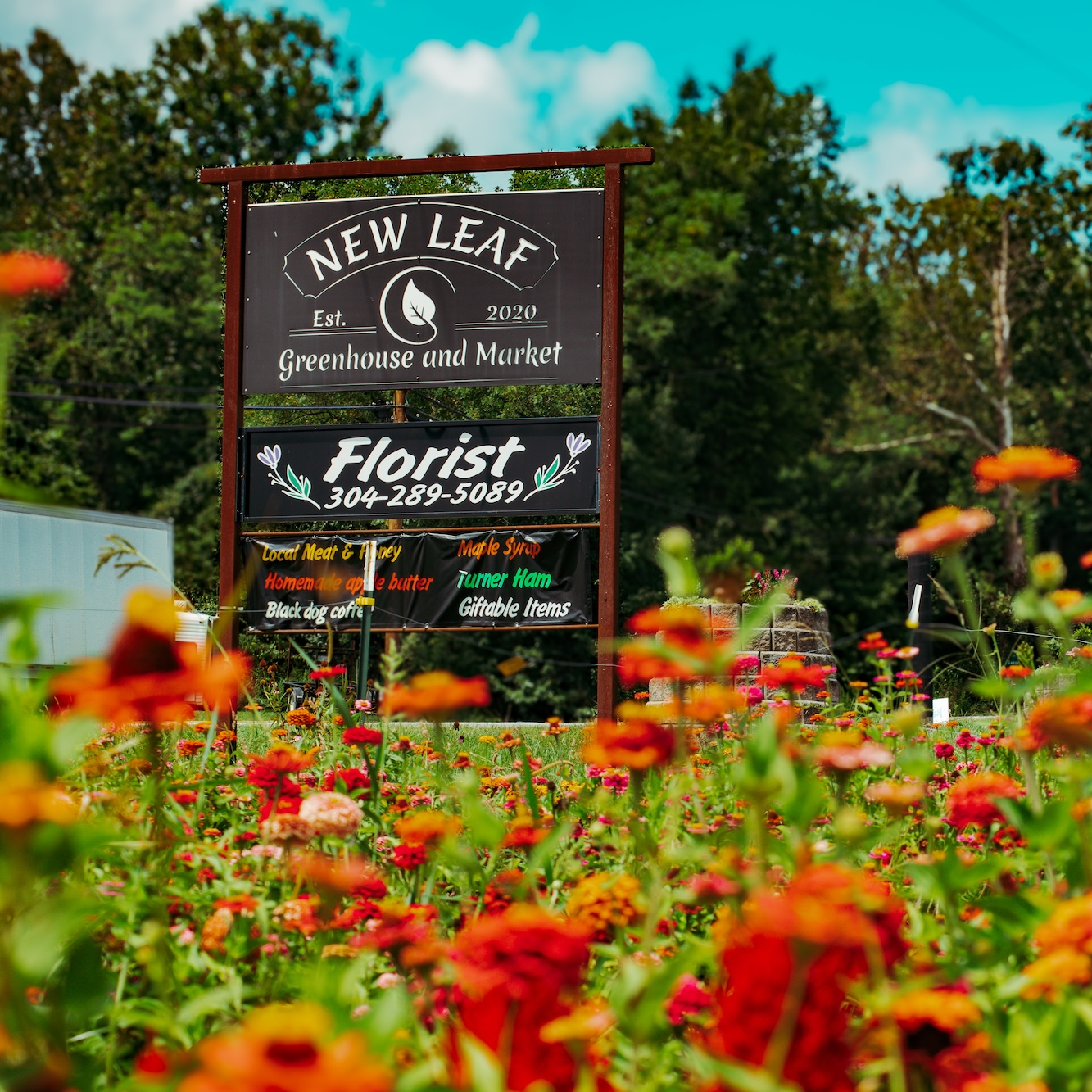
Locally Grown Flowers Are Blooming at New Leaf
Our own fresh-cut flowers are blooming, and this is one of our favorite parts of the growing season! We love adding colorful, locally grown flowers to our bouquets and arrangements to give each one an extra-special seasonal touch.
Brighten someone’s day, bring fresh color into your home, or celebrate an upcoming occasion with locally grown blooms. Place your fresh-flower order today, or keep New Leaf in mind for custom arrangements, wedding florals, flower-bar rentals, and other special events.


Comments